

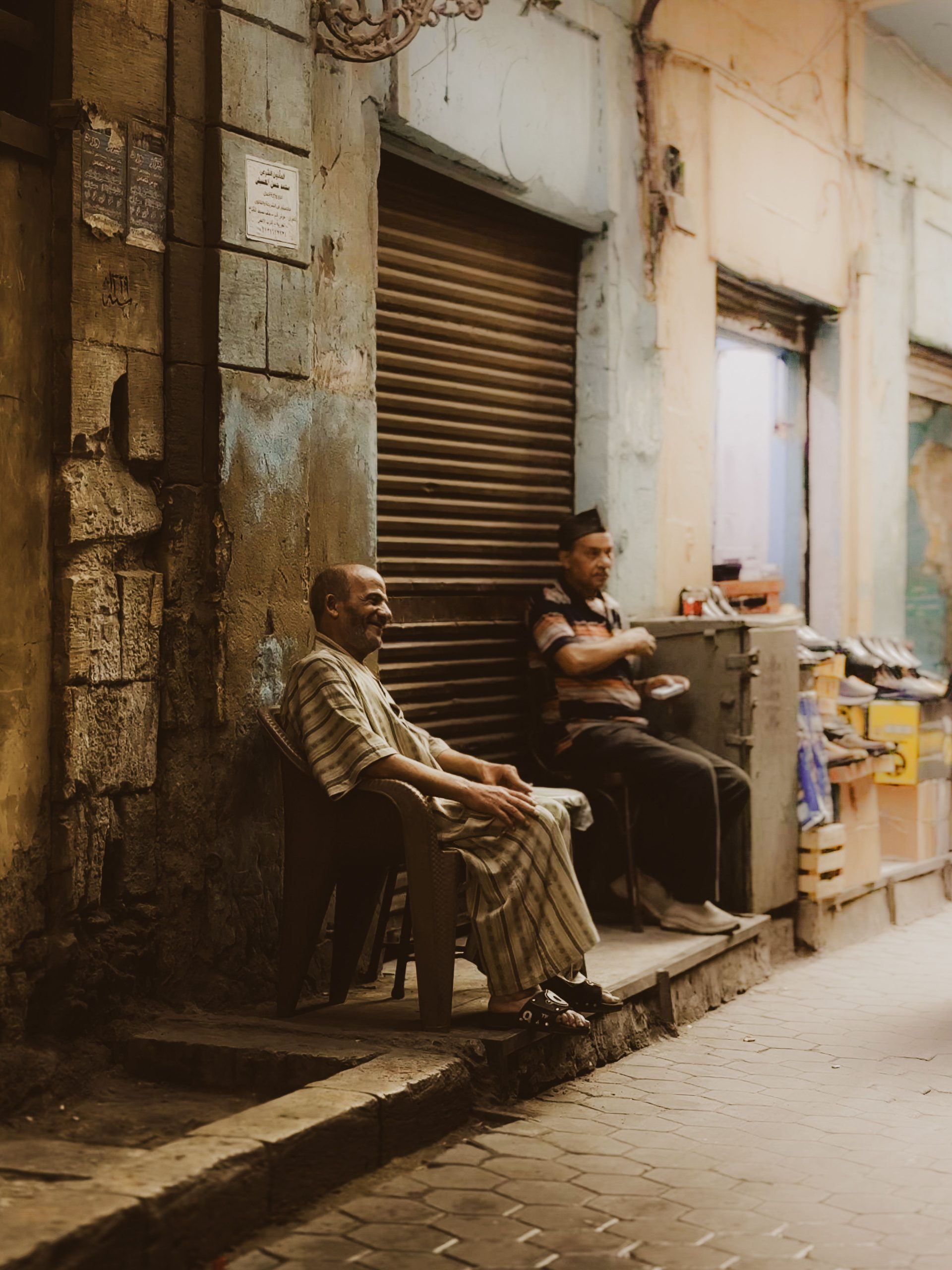
Meta Description: Learn how tipping works in Egypt in 2026. Understand baksheesh culture, how much to tip, when to tip, and essential etiquette for tourists in Cairo, Luxor, and beyond.
If you’re traveling to Egypt, one term you will hear often is “baksheesh” (tip). Tipping is not just a polite gesture in Egypt—it is an important part of daily life and service culture.
From hotels in Cairo to temples in Luxor and tours across Aswan, understanding tipping customs will help you avoid confusion and enjoy smoother interactions.
This guide explains everything you need to know about tipping in Egypt in 2026.
What Is “Baksheesh”?
“Baksheesh” is a word used in Egypt (and parts of the Middle East) that generally means:
- A small tip
- A gesture of appreciation
- Sometimes a way of requesting small payment for services
In tourism contexts, it usually refers to tipping service providers.
It is not always mandatory, but it is widely expected for small services.
Is Tipping Mandatory in Egypt?
Tipping is not legally required, but it is culturally expected in many situations.
In tourist areas, tipping is often part of income for:
- Hotel staff
- Drivers
- Tour guides
- Restaurant workers
- Boat crews (including Nile cruises)
In short: while optional, it is strongly encouraged.
How Much Should You Tip in Egypt?
Here is a simple guide for 2026:
Hotels
- Bellboy: 20–50 EGP per bag
- Housekeeping: 20–50 EGP per night
Restaurants & Cafes
- 5%–10% if service charge is not included
- Small change for casual cafes
Tour Guides
- 100–300 EGP per day per person (depending on service quality)
Drivers & Private Transfers
- 50–150 EGP per day or per trip
Nile Cruises
- 200–500 EGP per stay (shared tip box is common)
Small Services (Street help, porters, etc.)
- 5–20 EGP depending on assistance
When Should You Tip?
You may be expected to tip in situations such as:
- Carrying luggage
- Bathroom attendants
- Tour assistance at monuments
- Hotel room service delivery
- Private drivers and guides
- Boat crew on Nile cruises
Even small help is often acknowledged with baksheesh.
Tipping in Tourist Areas vs Local Areas
Tourist Areas (Luxor, Aswan, Cairo attractions)
- Tipping is more common and often expected
- Prices may be slightly higher for services
Local Areas
- Tipping is less formal
- Small gestures are appreciated but not always expected
Cash is King
In Egypt, tipping is almost always done in cash (Egyptian Pounds).
Tips:
- Keep small bills ready (5, 10, 20, 50 EGP)
- Avoid large denominations for tipping
- Carry cash even if paying services by card
Common Mistakes Tourists Make
Avoid these tipping mistakes:
- Over-tipping unnecessarily in every situation
- Refusing to tip for hotel or luggage help
- Not carrying small cash
- Feeling pressured to pay large amounts
- Ignoring included service charges in restaurants
Balance is key—tip fairly, not excessively.
Cultural Perspective on Tipping
In Egypt, tipping is part of the service economy. Many workers rely on it as an important supplement to their income.
It is also seen as:
- A sign of appreciation
- A gesture of respect
- A way to build positive interactions
A small tip often leads to better service and more welcoming experiences.
Tipping on Tours and Nile Cruises
On guided tours and Nile Cruise trips, tipping is usually organized at the end.
You may find:
- A shared tip box for crew members
- Separate tipping for guides and drivers
- Suggested tipping guidelines from operators
Always check what is included in your package.
Final Thoughts
Understanding tipping culture in Egypt helps you travel more comfortably and confidently.
Whether you’re exploring the temples of Luxor, cruising the Nile between Luxor and Aswan, or navigating the busy streets of Cairo, a small baksheesh goes a long way in showing appreciation and building positive interactions.
Tipping in Egypt is not just about money—it’s part of the cultural experience that makes your journey smoother and more welcoming in 2026.
: A Traveler’s Guide to Local Customs)