

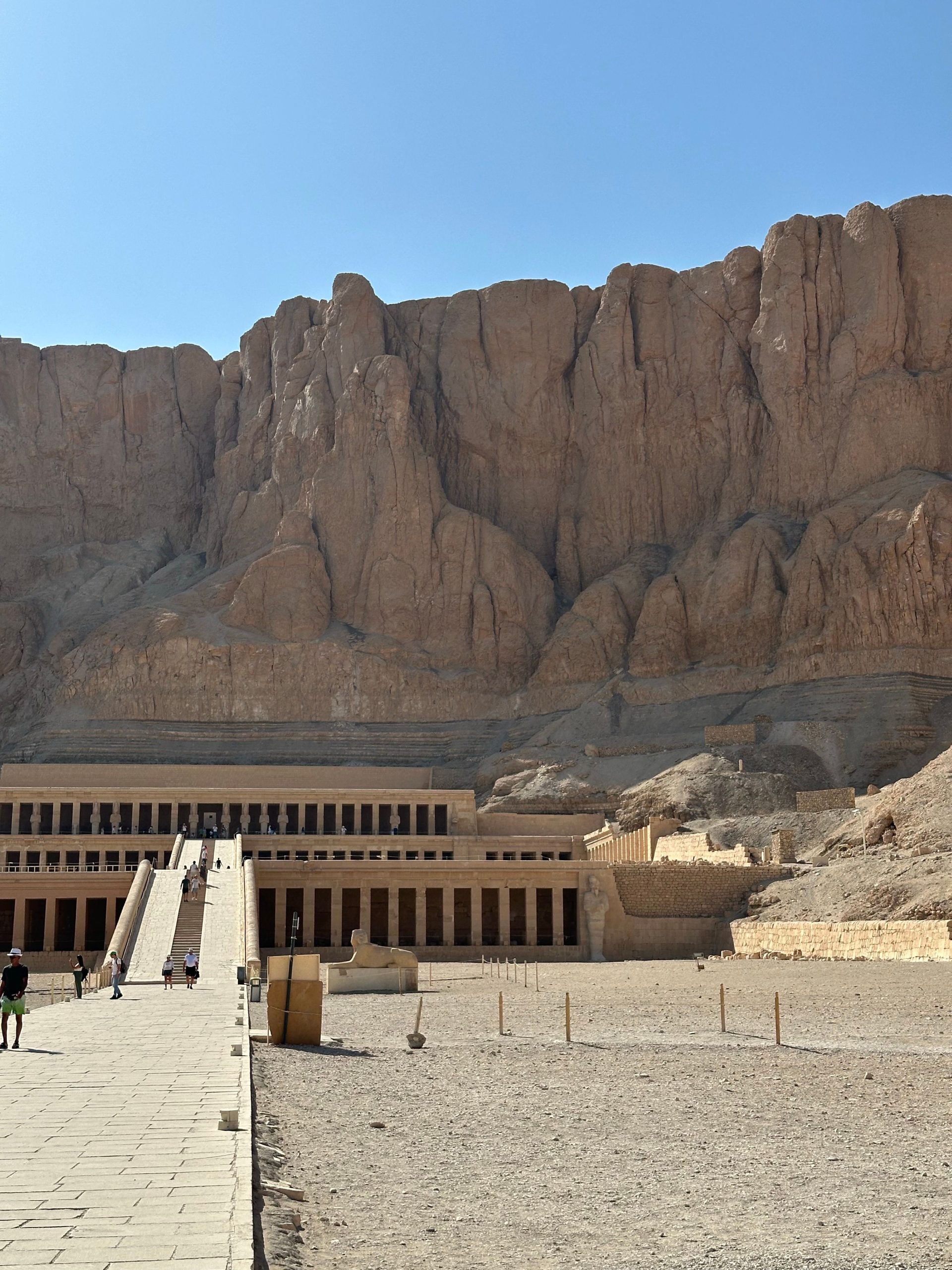
Meta Description: Discover the fascinating history of the Valley of the Kings in 2026. Explore royal tombs, hidden treasures, and the secrets of Egypt’s most famous pharaohs.
The Valley of the Kings is one of Egypt’s most extraordinary archaeological sites and a must-visit destination for anyone interested in ancient history. Hidden among the desert hills on the west bank of Luxor, this royal burial ground served as the final resting place for many of Ancient Egypt’s greatest rulers for nearly 500 years.
From the discovery of Tutankhamun’s tomb to the incredible artwork preserved inside the burial chambers, the Valley of the Kings continues to captivate visitors from around the world.
What Is the Valley of the Kings?
The Valley of the Kings is a royal necropolis that was used during Egypt’s New Kingdom period, approximately between 1550 BC and 1070 BC.
Instead of building massive pyramids that could easily attract tomb robbers, pharaohs chose hidden tombs carved deep into the limestone mountains surrounding Luxor.
Today, more than 60 tombs have been discovered, ranging from simple burial chambers to elaborate underground complexes filled with detailed decorations and hieroglyphics.
Why Did Pharaohs Choose This Location?
Ancient Egyptian rulers selected the valley for several reasons:
- The remote desert location offered greater protection from tomb robbers.
- The surrounding mountains created a natural barrier.
- The pyramid-shaped peak of El-Qurn symbolized the traditional pyramid form associated with royal burials.
- The west bank of the Nile was linked to the setting sun and the afterlife in ancient Egyptian beliefs.
The location combined religious symbolism with practical security considerations.
Famous Pharaohs Buried in the Valley
Some of Egypt’s most powerful rulers were buried here, including:
- Tutankhamun
- Ramesses II
- Seti I
- Thutmose III
- Ramesses III
- Amenhotep II
Although some tombs suffered damage from ancient looting, many still contain spectacular paintings and inscriptions that have survived for thousands of years.
The Discovery of Tutankhamun’s Tomb
The most famous moment in the valley’s modern history came in 1922 when British archaeologist Howard Carter discovered the nearly intact tomb of Tutankhamun.
Unlike many other tombs that had been robbed centuries earlier, Tutankhamun’s burial chamber contained thousands of artifacts, including the iconic golden mask that became a symbol of Ancient Egypt.
The discovery remains one of the greatest archaeological achievements of all time and transformed global interest in Egyptology.
What Can Visitors See Today?
A visit to the Valley of the Kings offers an unforgettable journey underground into the world of the pharaohs.
Depending on ticket availability and conservation schedules, visitors can explore several tombs, each featuring unique artwork and architecture.
Highlights often include:
- Colorful wall paintings depicting the journey to the afterlife
- Intricate hieroglyphic inscriptions
- Massive burial chambers
- Detailed religious texts
- Exceptional preservation of ancient artwork
Additional tickets may be required for premium tombs such as Tutankhamun’s tomb or Seti I’s tomb.
Best Tombs to Visit
While tomb availability changes periodically, some of the most popular choices include:
Tomb of Ramesses III (KV11)
Known for its vivid colors and impressive decorations.
Tomb of Ramesses IV (KV2)
One of the easiest tombs to access and admired for its detailed ceilings.
Tomb of Merenptah (KV8)
Features large chambers and impressive architecture.
Tomb of Tutankhamun (KV62)
The world’s most famous royal tomb and home to the mummy of the young king.
Tomb of Seti I (KV17)
Often considered the most beautiful tomb in the valley due to its exceptional artwork.
Practical Tips for Visiting
To make the most of your visit:
- Arrive early in the morning to avoid crowds and heat.
- Wear comfortable walking shoes.
- Bring water, sunscreen, and a hat.
- Respect photography regulations inside the tombs.
- Consider visiting with an Egyptologist guide for deeper historical insight.
The underground tombs can become warm, particularly during summer months.
Best Time to Visit
The ideal time to visit the Valley of the Kings is between October and April when temperatures are more comfortable for sightseeing.
Early mornings offer the most pleasant conditions and smaller crowds.
Why the Valley of the Kings Still Fascinates the World
The Valley of the Kings offers more than ancient tombs—it provides a direct connection to one of history’s greatest civilizations.
Every corridor, inscription, and burial chamber reveals stories of power, religion, and the Egyptian belief in eternal life.
For historians, archaeologists, and travelers alike, the valley remains one of humanity’s greatest windows into the ancient world.
Final Thoughts
A visit to the Valley of the Kings is an unforgettable journey into the lives and beliefs of Egypt’s legendary pharaohs.
From the hidden tombs beneath the desert hills to the spectacular artwork preserved for thousands of years, the site continues to inspire wonder and curiosity.
If you’re planning a trip to Luxor in 2026, unlocking the secrets of the Valley of the Kings should be at the top of your Egypt itinerary.
